

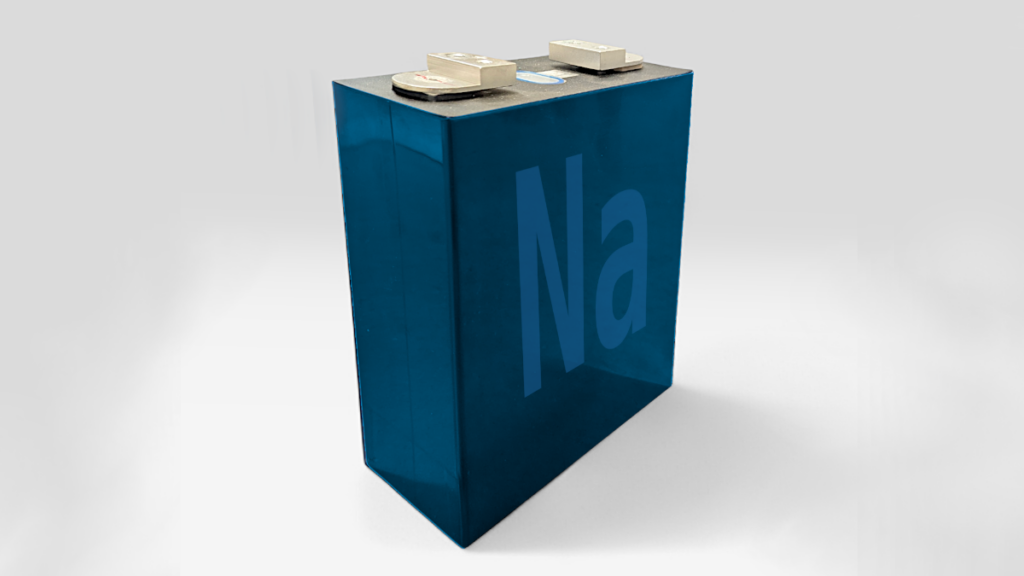
Sodium cells (Sodium-ion)
Complete guide to sodium battery technology
Sodium batteries
Emerging and sustainable technology
Sodium cells, also known as sodium-ion batteries, are an emerging electrochemical storage technology that uses sodium (Na⁺) as a charge carrier instead of lithium. Thanks to the widespread availability of raw materials, high level of safety, and environmental sustainability, sodium batteries are establishing themselves as a viable alternative to other traditional chemistries containing nickel, manganese, or lead.
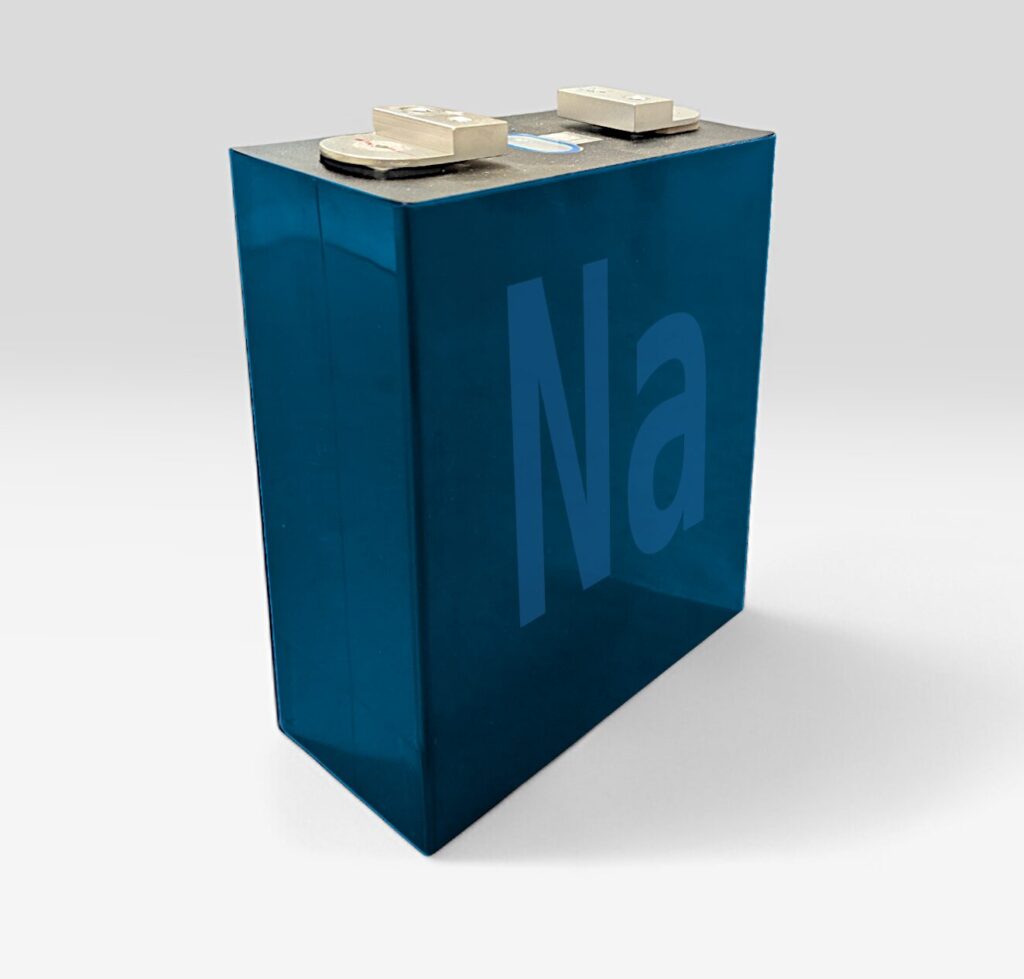
1. Chemical composition of sodium cells and main components
The chemical composition of sodium batteries is similar in architecture to that of lithium-ion batteries, but differs in the active materials used.
The absence of cobalt, nickel, manganese, and lead makes sodium cells more sustainable, less environmentally impactful, and less exposed to geopolitical supply chain risks.
Main components:
· Anode (negative)
Generally made of hard carbon, capable of effectively intercalating sodium ions despite their larger ionic radius compared to lithium.
· Cathode (positive)
Made from materials such as sodium-based layered oxides, polyanions, or Prussian Blue/Prussian White structures. These materials ensure structural stability, good electrochemical reversibility, and long cycle life.
· Electrolyte
Liquid or semi-solid electrolytes containing sodium salts (e.g., NaPF₆), designed to ensure chemical stability, safety, and a wide operating temperature range.
· Separator
Microporous polymer membrane that allows ion passage while preventing direct electrical contact between the anode and cathode.
2. Sodium battery performance: energy density and safety
The performance of sodium cells is designed to prioritize safety, reliability, and stability over time, making them ideal for industrial and stationary applications.
Thanks to these characteristics, sodium batteries are considered inherently safe and suitable for industrial and infrastructure contexts.
· Energy density
- Typically between 100 and 160 Wh/kg at the cell level, lower than LFP but sufficient for various professional applications.
· Life cycle and reliability
- 1000–4000 charge/discharge cycles, with progressive and predictable degradation.
· Behavior at low temperatures
- Superior performance compared to conventional lithium batteries, with less capacity loss in cold conditions.
· Thermal safety
- High thermal runaway temperature and reduced probability of thermal runaway compared to high energy density chemistries.
3. Differences between sodium cells, LFP batteries, and traditional chemical batteries
Sodium cells do not replace LFP cells, but rather complement them, expanding design possibilities. While LFP or solid-state lithium cells are preferable for automotive applications, sodium is best suited for static applications.
Comparison with LFP (Lithium Iron Phosphate) batteries:
· Raw materials
Sodium is more abundant and less expensive than lithium.
· Cost stability
Less exposure to the volatility of critical commodity markets.
· Safety
Safety level comparable to or higher than LFPs in terms of thermal stability.
· Efficiency
Lower than LFP, but adequate for applications where weight and volume are not critical factors.
Comparison with chemicals containing nickel, manganese, or lead:
Compared to chemicals considered obsolete or in the process of being phased out, sodium batteries offer:
· Absence of toxic heavy metals such as lead.
· Greater energy efficiency compared to lead-acid batteries.
· Reduced maintenance and increased operational reliability.
· Improved environmental sustainability and greater compliance with ESG criteria.
4. Limitations and critical issues of sodium-ion technology
Despite their numerous advantages, it is important to objectively analyze the limitations of sodium cells in order to correctly assess their suitability for the application.
Main limitations of sodium batteries:
· Lower energy density
Compared to LFP batteries and, even more so, NMC/NCA chemistries, sodium cells have a lower energy density. This results in bulkier and heavier systems for the same amount of stored energy.
· Technology still in the industrialization phase
Although the electrochemical principle is well established, large-scale production is still expanding. This may limit the availability of standard formats and suppliers in the short term.
· Volumetric efficiency
Il maggiore raggio ionico del sodio rispetto al litio riduce l’efficienza di intercalazione nei materiali attivi, influenzando capacità specifica e tensione nominale della cella.
· Ecosystem maturity
BMS, power electronics, and system standards are less common than LFP platforms, sometimes requiring dedicated solutions.
· High current performance
In some configurations, sodium cells may show limitations in high continuous power applications.

