

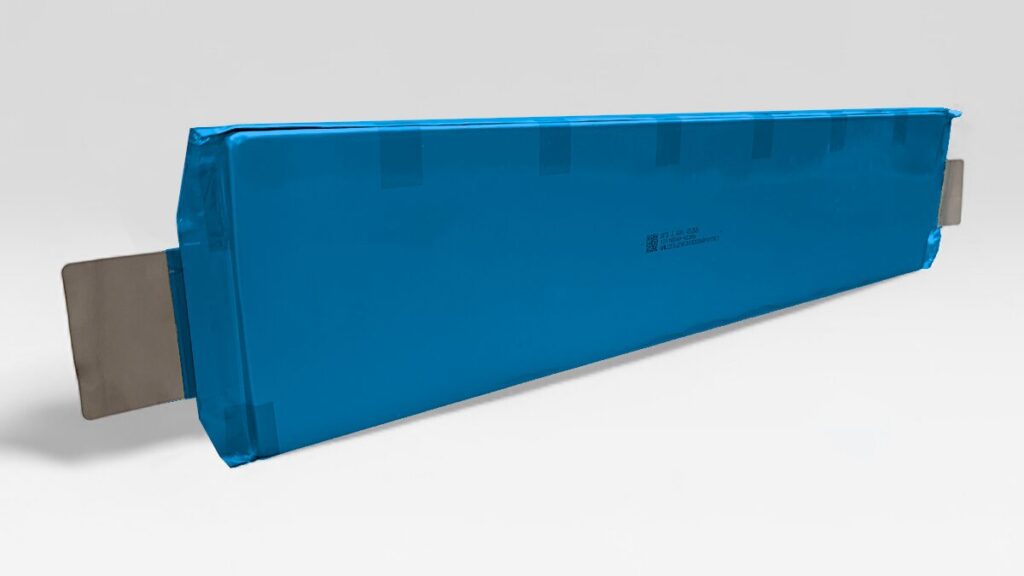
Solid-State Lithium Cells
Complete technical guide to new-generation batteries
Solid-state lithium batteries
The next generation of energy storage
Solid-state lithium cells represent one of the most significant developments in the field of advanced rechargeable batteries and high-density energy storage systems. Thanks to the use of solid electrolytes and advanced material design, this technology overcomes many of the structural limitations of conventional lithium-ion batteries, improving safety, energy density, and operational stability.
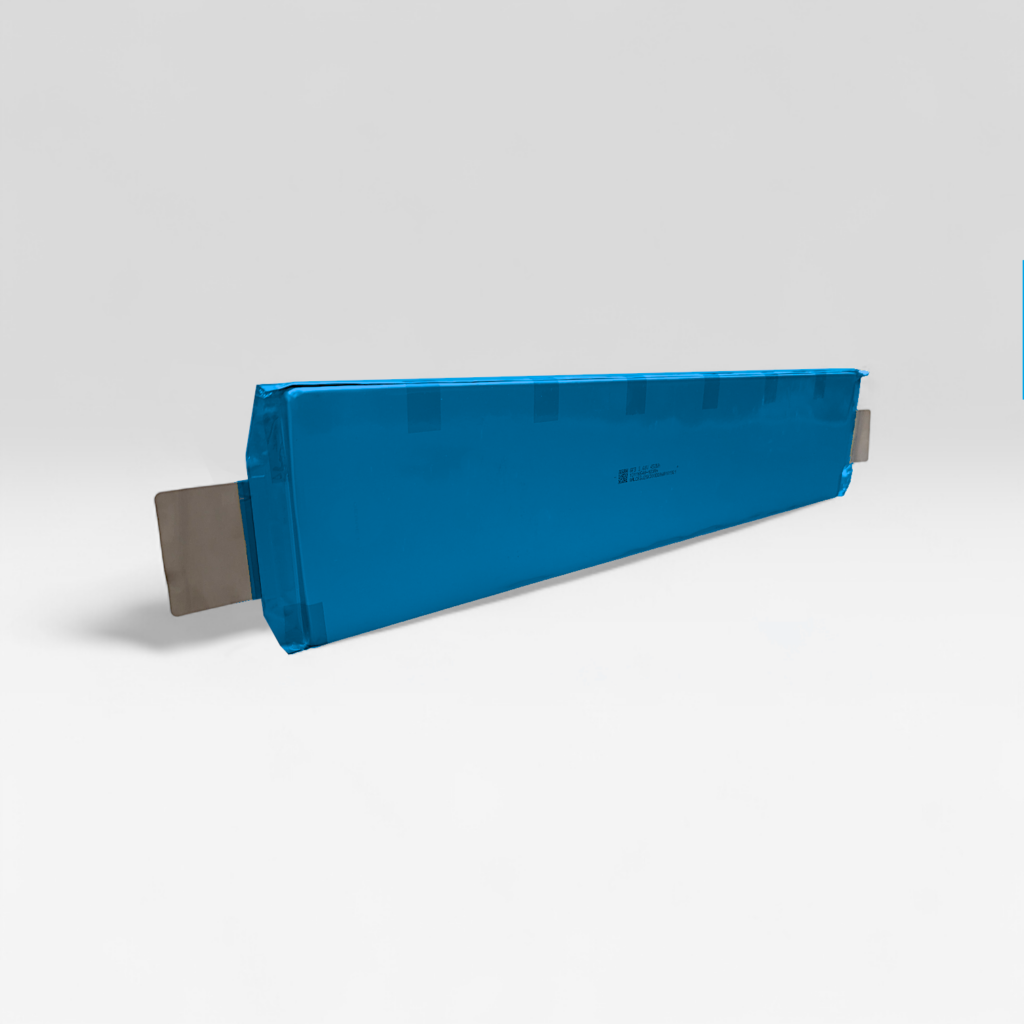
1. Chemical composition of solid-state lithium cells and main components
A solid-state lithium cell is mainly distinguished by the replacement of the liquid or gel electrolyte with a solid electrolyte, which can be ceramic, polymeric, or composite in nature.
This configuration drastically reduces the risk of leakage, evaporation, or chemical degradation associated with liquids.
Main components:
· Anode (negative)
Usually made of lithium metal or materials with very high specific capacity. The use of lithium metal is made possible by the solid electrolyte, which limits the formation of dendrites.
· Catode (positive)
It can use materials similar to those found in lithium-ion batteries (lithium oxides or phosphates), optimized to interface with the solid electrolyte.
· Solid electrolyte
Key component of the cell. Ensures the transport of lithium ions, eliminating flammable organic solvents. Usually composed of ceramics (such as sulfides, oxides, LATP), polymers (such as PEO, PAN, PMMA) or glassy materials, all chosen for their high ionic conductivity.
· Separator
In most architectures, it is functionally integrated into the electrolyte itself, simplifying the internal structure of the cell. Typically a polymer or ceramic compound.
2. Solid-state battery performance: energy density, safety, and thermal runaway temperature
Solid-state lithium cells offer superior performance in several critical areas for industrial, automotive, and marine applications.
· Energy density
- Significantly higher gravimetric and volumetric energy density compared to LFP.
- Potential to exceed 400 Wh/kg, enabling more compact and lightweight systems with the same amount of energy available.
· Life cycle and reliability
- Less electrochemical degradation over time.
- High structural stability of the electrodes.
- Potential increase in the number of charge/discharge cycles compared to traditional technologies.
· Operative range temperature
- Improved tolerance to high temperatures.
- More stable performance under harsh operating conditions.
3. Differences between solid-state cells, LFP batteries, and traditional chemical batteries
LFP batteries remain an extremely reliable and safe solution for industrial and heavy traction applications. Solid-state cells, on the other hand, are a cutting-edge technology aimed at maximizing energy density, safety, and compactness, representing a natural future evolution from LFP batteries.
Comparison with LFP (Lithium Iron Phosphate) batteries:

Comparison with chemicals containing nickel, manganese, or lead
Solid-state cells therefore represent a clear technological leap forward compared to more obsolete chemical cells, both in terms of performance and sustainability and operational safety.
Compared to NMC/NCA
(Nickel-Manganese-Cobalt/Nickel-Cobalt-Aluminum):
- Increased intrinsic safety.
- Reduced sensitivity to thermal runaway.
- Reduced dependence on critical and unstable materials.
Compared to lead-acid batteries:
- Energy density orders of magnitude higher.
- Drastically reduced weight and volume.
- No periodic maintenance.
- Significantly longer life cycle.

