Battery Management
System | BMS
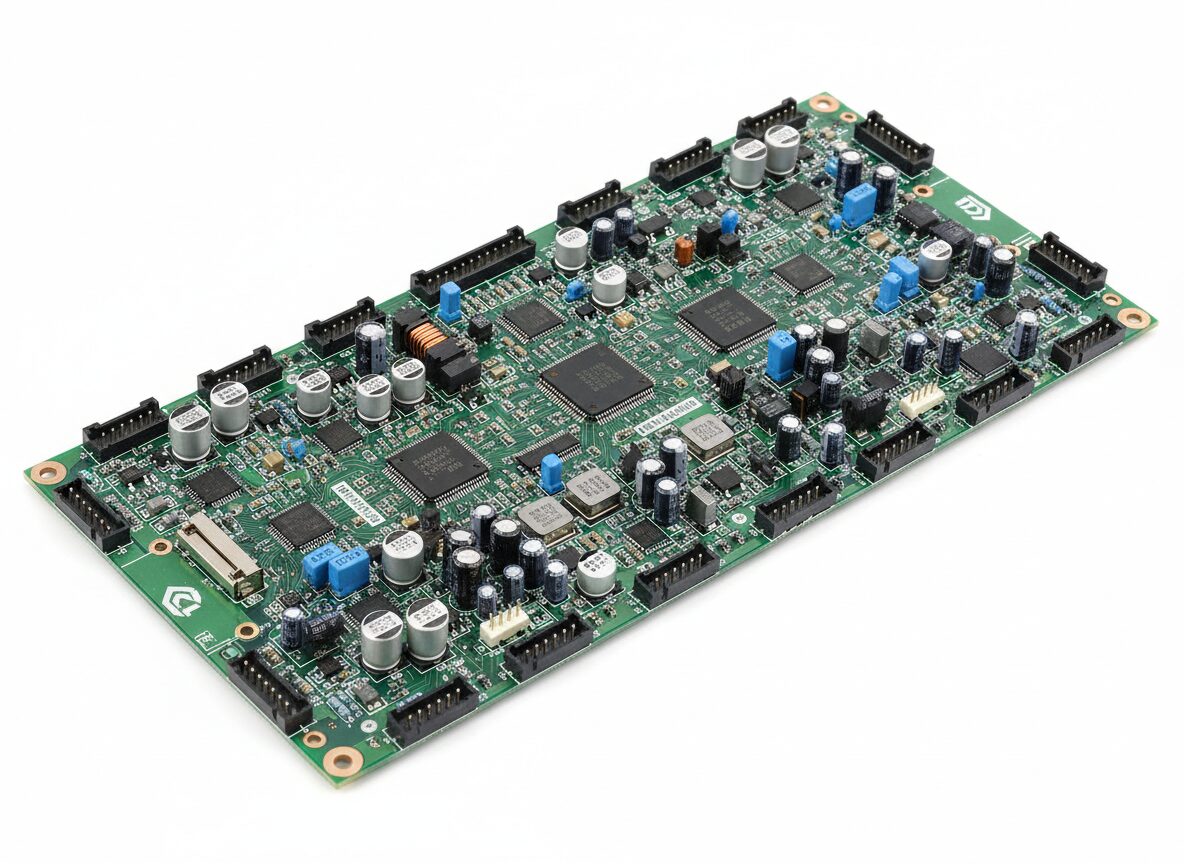
The beating heart of our batteries. The Aliant Pegasus BMS is the result of years of research and development aimed at creating an extremely efficient and adaptive management system.
Features of Aliant Pegasus
Real-time monitoring
Real-time monitoring of cell voltage, current, and temperature.
Safety
Predictive algorithms for safety against critical conditions (overcharging, undercharging, overheating).
Cells management
Supports up to 16 cells ranging from 20 to 2,400 Ah. The architecture is scalable up to 800 V DC.
Custom parameters
Unique mapping for each battery model, tailored to the specific needs of each project.
Remote assistance
Capability for remote monitoring and support.
Cells balancing
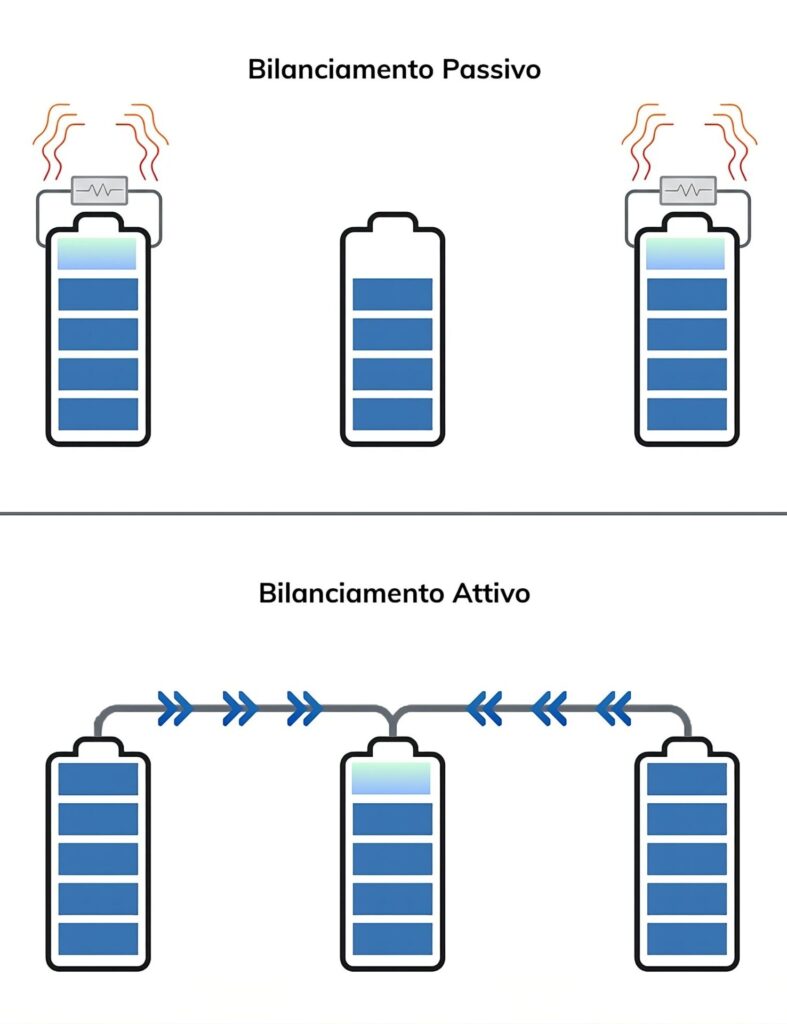
Cell balancing is the process by which the state of charge (SoC) of all the cells in a battery is standardized. It is essential because, during use and charge/discharge cycles, cells can diverge in terms of chemical characteristics, internal resistance, or minor manufacturing defects. If not balanced, some cells may reach the maximum or minimum voltage limit before others, causing a reduction in usable capacity, premature aging, or safety risks.
Why balancing is important
Prevents overcharging or over-discharging of individual cells – Ensures that the battery always operates under optimal conditions – Maximizes the battery pack’s lifespan and performance
Passive balancing
Il bilanciamento passivo consiste nel dissipare l’energia in eccesso delle celle più cariche tramite resistenze di bypass. Quando una cella supera una determinata soglia di tensione, il BMS attiva il circuito di bilanciamento che trasforma l’energia in calore, portando progressivamente tutte le celle a valori di tensione quasi uguali. Questa soluzione è semplice, affidabile e per questo la più utilizzata.
Active balancing
Active balancing transfers excess energy from the more fully charged cells to the less fully charged ones via dedicated electronic circuits (DC/DC converters, capacitors, or inductors). This method is used in specific applications to minimize losses; however, it involves a more delicate and complex architecture that is difficult to optimize.
Long-term benefits of balancing
When it comes to batteries, consistent performance over time is key. Regular and precise cell balancing helps maintain the battery’s rated capacity close to its original value even after many charge cycles. This means users can count on predictable runtime and maximum system efficiency. Furthermore, balancing reduces localized degradation and the formation of thermal hotspots, which are among the main causes of premature failure. In practice, a well-balanced battery is more reliable, safer, and requires less unscheduled maintenance, thereby optimizing operating costs throughout its entire lifecycle.