
Technologies
We develop the key components of our batteries in-house
Quality is in the details
Aliant Battery continuously invests in innovation through its in-house Research and Development center and state-of-the-art equipment.
This advanced facility allows us to design, test, and deliver customized solutions quickly, precisely meeting the specific needs of each customer and industry.
Our R&D team works closely with leading industrial machinery OEMs to develop high-performance, reliable, and certified battery systems, consistently ensuring high quality standards and adaptability to market demands.
Choosing Aliant means relying on a technology partner that combines specialized expertise, design flexibility, and cutting-edge technologies to deliver tangible value and continuous innovation.

Pegasus | Battery Management System
The Battery Management System is the brain of every battery pack. Aliant Battery develops its Pegasus BMS and diagnostic software in-house to ensure seamless integration with every application.
The main features of the Aliant BMS:
- Customizable settings
- Cell balancing
- Usage monitoring and alerts
- Continuous logging of events and critical issues
- Vehicle communication via CAN

Athena | Remote monitoring
Athena is the monitoring platform developed by Aliant Battery for the remote supervision of units already in the field. All batteries can be equipped with Athena and communicate via WiFi or 4G/LTE.
What Athena monitors::
- State of Charge (SOC) and State of Health (SOH)
- Cell and pack temperature
- Charge and discharge currents
- Alarm and event history
- Verification of proper operator use
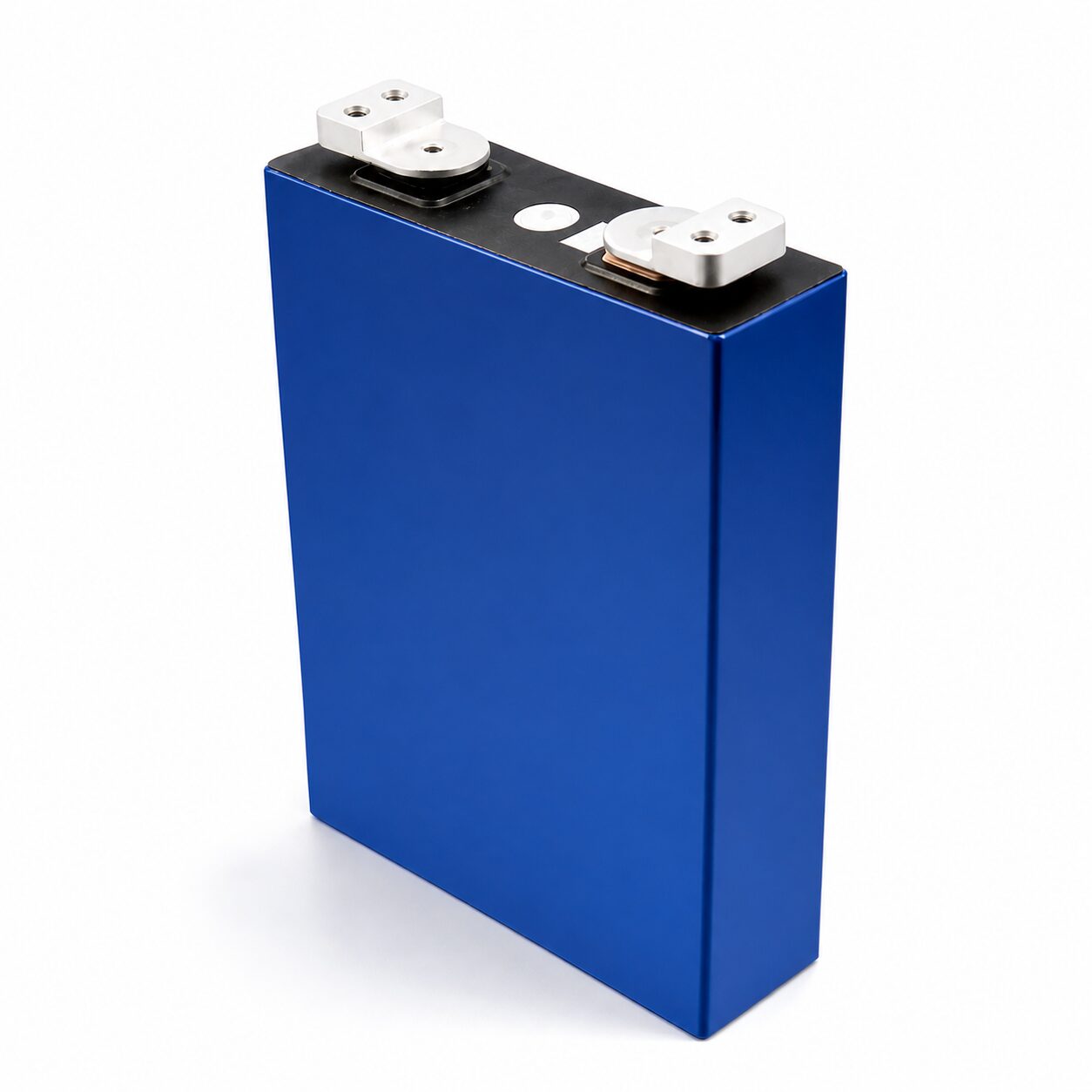
Cells | Lithium Iron Phosphate (LFP)
We use LFP (lithium iron phosphate) chemistry for all our industrial batteries. It is the safest and most durable technology available today for heavy-duty applications:
- Low risk of thermal runaway
- Lifespan exceeding 3,000 cycles at an 80% depth of discharge
- Operating range from -20°C to +60°C
- Cobalt- and nickel-free (more sustainable supply chain)
- Excellent long-term chemical stability
Step 1 — Technical Brief
We work with the customer to define all the project specifications:
voltage, capacity, dimensions, interfaces, duty cycle,
operating conditions, and all other necessary factors.
Step 2 — Custom Engineering
Our team designs the battery using the most suitable components and selects any necessary accessories, such as chargers or vehicle interfaces.
Step 3 — Prototyping and Validation
We build the prototype, test it, and optimize the software.
If specific certifications are required, our team personally oversees the process to ensure they are fully obtained.
Step 4 — Mass Production and After-Sales
We begin production at our facility by testing every single battery.
Once the batteries are up and running, we continue to support the customer with technical diagnostics, upgrades, and maintenance as needed.


